


In today’s digital transformation era, plastic cards are no longer just simple identification tools. They play a critical role in security, management, and operational efficiency for organizations. From employee ID cards and bank cards to access control cards, each card is produced using a combination of advanced technologies and techniques.
Mục lục
So, what are the most common plastic card technologies today? Let’s explore with TBHP.
1. Card Printing
Card printing is the most fundamental and essential step in the personalization process. It allows organizations to print images, logos, names, and other information directly onto the card surface.
There are two main printing technologies:
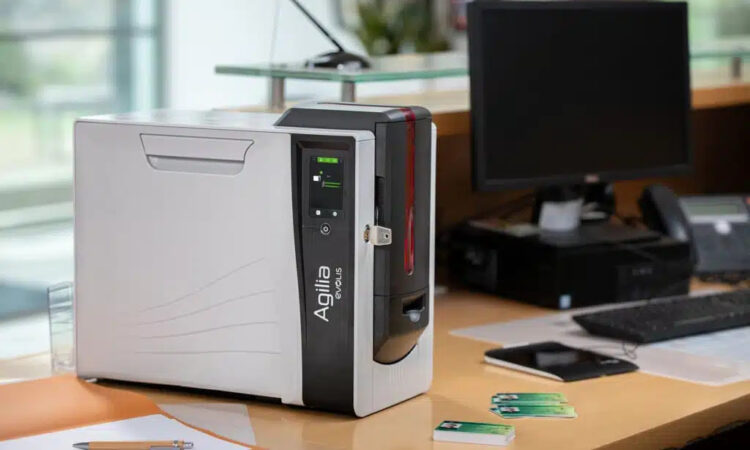
Direct-to-Card (DTC): Fast and cost-effective, ideal for internal use such as employee or student ID cards.
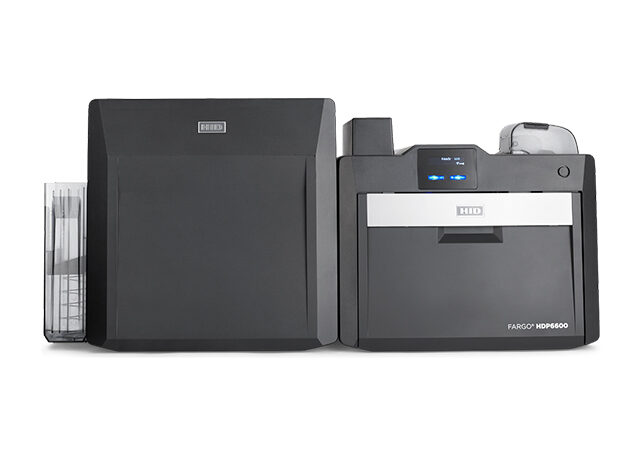
Retransfer Printing: Delivers higher image quality with edge-to-edge printing, suitable for high-end cards like banking or VIP cards.
Simply put, this is the process of “printing content onto the card,” but with much higher precision and durability requirements.
💡 Recommended printers:
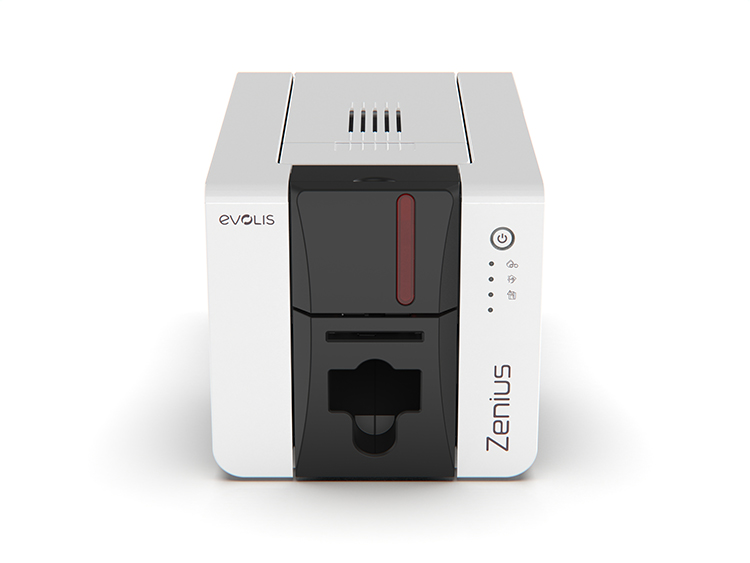
- Evolis Primacy 2 – High-performance printer with fast speed, ideal for large organizations
- Evolis Zenius – Compact and user-friendly, perfect for small to medium printing needs
2. Embossing
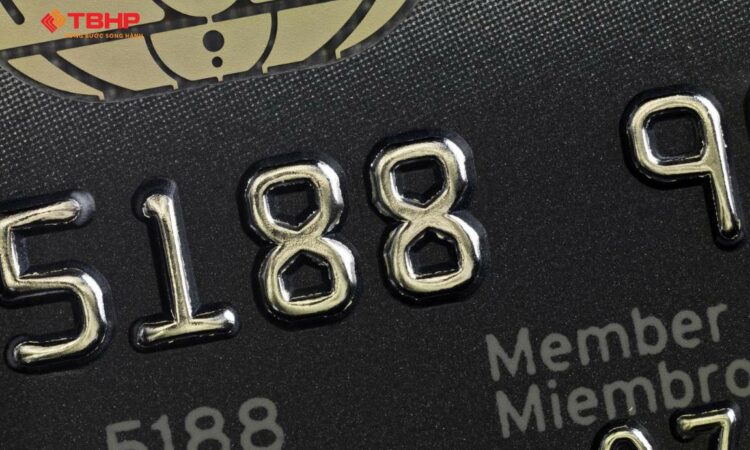
Embossing is a technique used to create raised characters on the surface of the card, typically for numbers or names.
You can easily recognize this on credit or debit cards, where the card numbers are physically raised and can be felt by touch. Besides improving aesthetics, embossing also supports certain traditional payment systems.
3. Card Encoding
Encoding is the process that gives a card its functionality by storing data inside it.
Common encoding technologies include:
- Magnetic stripe cards: used by swiping
- Contact chip cards: inserted into a reader
- Contactless cards (RFID/NFC): used by tapping
Typical applications include access control, time attendance systems, parking cards, and payment solutions, where users can simply tap or swipe to complete an action.
4. Card Lamination
Lamination is the process of applying a protective layer over the card surface after printing.
This layer can be clear, matte, or holographic, providing several benefits:
- Enhanced durability and scratch resistance
- Protection against fading over time
- Increased security against counterfeiting
For cards that are frequently used or require high security, lamination is an essential step.
5. Laser Engraving
Laser engraving uses laser technology to permanently engrave data onto or inside the card material (commonly polycarbonate cards).
Key advantages include:
- Permanent and non-removable data
- Extremely high precision
- Strong anti-counterfeiting capability
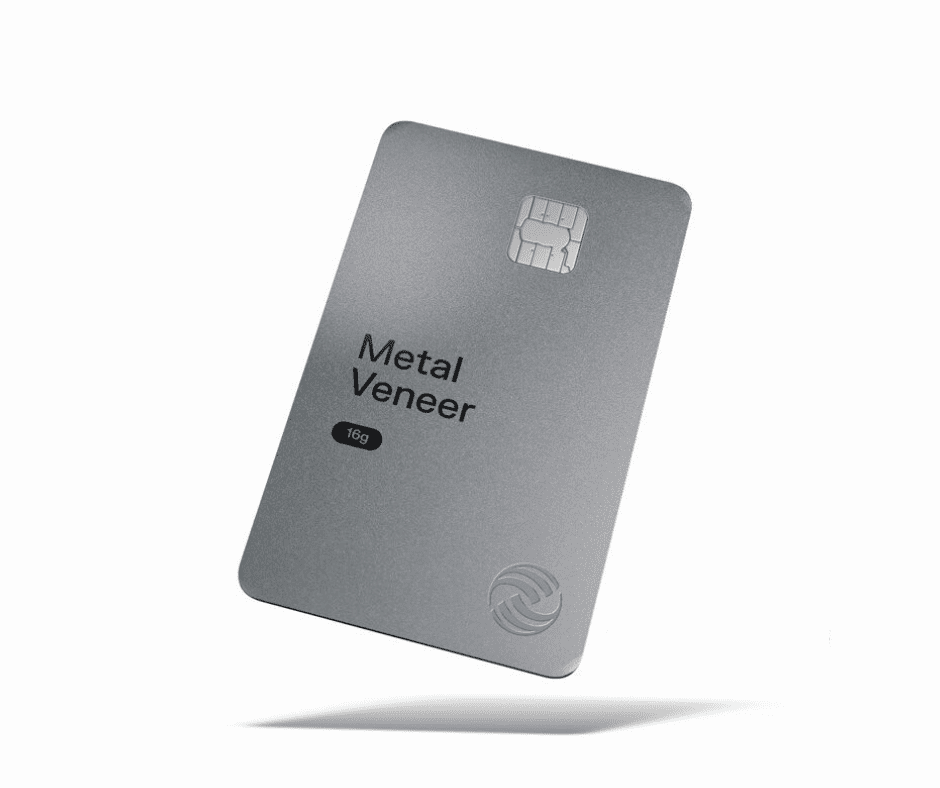
This technology is widely used for high-security applications such as national ID cards, passports, and premium banking cards.
Conclusion
In reality, a high-quality plastic card is not created using a single technology but rather a combination of multiple techniques such as printing, encoding, lamination, and security enhancements. Choosing the right combination depends on your organization’s specific needs, balancing cost, durability, and security.
TBHP – Your Trusted Plastic Card Solution Provider
With extensive experience working with banks, government organizations, and large enterprises, TBHP delivers comprehensive plastic card solutions—from card printers and consumables to encoding and security integration.
We are committed to:
- Providing the right technology tailored to your needs
- Supplying genuine, high-quality equipment
- Delivering fast and professional technical support
👉 Contact TBHP today to get expert advice and the best plastic card solution for your business! 🚀



 Bản quyền thuộc về TBHP.


